Tottenham Hotspur F.C. – History, Squad, Stadium and Owners
Tottenham Hotspur Football Club, commonly known as the Spurs, stands as one of England’s most storied football institutions. Established in 1882, the club has evolved from its North London origins into a globally recognized sporting brand, competing in the Premier League while maintaining fierce local traditions. The club’s journey encompasses periods of remarkable success, decades of determined rebuilding, and an ambitious modern era anchored by a world-class stadium.
Understanding Tottenham Hotspur requires examining multiple dimensions: the architectural landmark that serves as home, the ownership structure steering its direction, the trophy cabinet reflecting past glory, the current squad composition, and the intense rivalry that defines its identity. Each element contributes to a complex portrait of an organization balancing heritage with aspirations for sustained elite-level achievement.
Where Is Tottenham Hotspur’s Stadium and What Are Its Features?
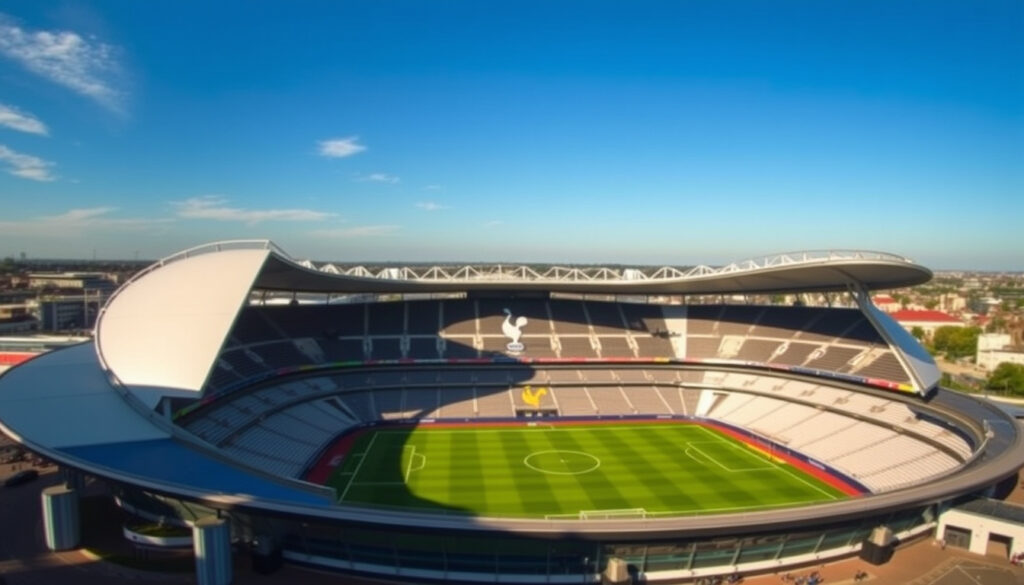
Tottenham Hotspur Stadium occupies a prominent position in North London, specifically located on Bill Nicholson Way in the Tottenham area. This state-of-the-art venue replaced the historic White Hart Lane in 2019, marking a new chapter in the club’s physical identity. The stadium’s strategic location maintains the club’s deep roots in the community while providing modern infrastructure befitting elite European football.
The venue boasts a capacity of 62,850, making it one of the largest club stadiums in the United Kingdom. Its design incorporates a fully retractable natural grass pitch, a rare feature that allows the facility to host American football games and major concerts when not serving football purposes. The seating arrangement provides exceptional sightlines from virtually every position, reflecting lessons learned from the most modern stadium constructions worldwide.
Beyond matchday operations, the stadium complex includes the Tottenham Hotspur Stadium Tour, an experience that takes visitors behind the scenes of the players’ tunnel, dressing rooms, and the pitch-side areas typically reserved for match officials and coaching staff. The club has developed hospitality facilities that generate significant revenue, positioning the venue as a commercial asset extending well beyond football.
The stadium connects to London’s transport network via White Hart Lane tube station on the Northern line, with additional bus routes serving matchday crowds. Parking facilities are limited, and the club actively encourages sustainable travel options including cycling infrastructure.
Key Facts at a Glance
1882
Tottenham Hotspur Stadium (62,850)
Ange Postecoglou
Premier League
Performance Snapshot
| Metric | Detail |
|---|---|
| Nickname | Spurs / Lilywhites |
| Owners | ENIC Group (Joe Lewis family) |
| Major Trophies | 2 Premier League, 8 FA Cups, 3 Europa Leagues |
| Average Attendance | 61,000+ |
| Chairman | Daniel Levy |
| Club Valuation | Estimated £2-3 billion |
Who Owns and Manages Tottenham Hotspur FC?
ENIC Group, originally established as ENIC Sports Investments, has held majority ownership of Tottenham Hotspur since 2001. The investment company, controlled by British businessman Joe Lewis, acquired its initial stake in the club during that year and has progressively increased its holding to become the dominant shareholder. This long-term ownership model has provided stability through multiple managerial transitions and the transformative stadium project.
Daniel Levy serves as chairman, a position he has occupied since assuming control of club operations from his father Barry in 2001 alongside the ENIC acquisition. Levy’s tenure has been marked by significant capital investment in infrastructure, particularly the construction of the new stadium, while maintaining the club’s position among England’s elite clubs. His negotiating style and commercial acumen have been subjects of both praise and criticism within football circles.
Ange Postecoglou took charge as manager in 2023, bringing an attacking philosophy shaped by his successful periods managing in Australia, Japan, and Scotland with Celtic. His appointment represented a strategic choice prioritizing distinctive footballing principles over candidates with established Premier League credentials. Under his leadership, the club secured the 2024-25 Europa League title, ending a 17-year trophy drought that had defined recent seasons as periods of near-misses and rebuilding.
ENIC Group’s portfolio has included investments in various sports entities beyond Tottenham Hotspur, though its primary focus and most significant asset remains the North London club. The company’s strategy has generally emphasized long-term value creation through infrastructure development rather than aggressive short-term spending.
Managerial Philosophy Under Postecoglou
Postecoglou’s approach emphasizes possession-based football, high defensive lines, and the development of young talent from the academy system. This philosophy has required a squad rebuilding process, with the manager integrating academy graduates alongside established international players. The 2024-25 Europa League campaign demonstrated the effectiveness of this model, combining tactical discipline with dynamic attacking play.
What Is the History and Key Achievements of Tottenham Hotspur?
Tottenham Hotspur Football Club traces its origins to 1882, when it was established as Hotspur Football Club by schoolboys from the Hotspur cricket club. The club adopted its full name shortly afterward and began competing in regional leagues before ascending through the ranks of English football. Its presence in the top flight has been continuous since the 1919-20 season, interrupted only by occasional relegations that have been relatively rare in the club’s history.
The mid-twentieth century brought the club’s most successful period. Arthur Rowe’s team claimed the First Division title in 1950-51, implementing innovative tactical approaches that emphasized tactical flexibility. This achievement was surpassed by Bill Nicholson’s era, during which Tottenham won the league and FA Cup double in 1960-61—the first club to accomplish this feat in the twentieth century. Nicholson’s teams secured multiple trophies throughout the 1960s, including the 1962-63 European Cup Winners’ Cup, making Tottenham the first British club to win a major European trophy.
Major Trophy Collection
Tottenham’s trophy cabinet reflects both periods of sustained excellence and occasional breakthrough achievements. The club’s domestic honors include two Premier League or First Division titles, with the most recent coming during that historic 1960-61 double season. Eight FA Cup victories represent significant success in England’s primary cup competition, with the most recent triumph occurring in 1990-91 under Terry Venables.
The club has won the League Cup, now known as the Carabao Cup, on four occasions, with the 2007-08 victory under Juande Ramos providing a rare trophy in a more challenging period. Seven Community Shield wins, including several shared outcomes, demonstrate consistent competitiveness in season-opening encounters against FA Cup champions. The 2024-25 Europa League victory stands as the club’s most significant recent achievement, ending prolonged trophy drought under Postecoglou’s management.
The 2024-25 Europa League title marked Tottenham’s third victory in this competition, following earlier triumphs in 1971-72 and 1983-84. This achievement secured Champions League qualification and represented a significant milestone for the club’s trophy history.
Who Are the Key Players in the Current Tottenham Hotspur Squad?
The Tottenham Hotspur squad under Ange Postecoglou blends experienced internationals with promising academy graduates. The manager’s philosophy of integrating young talent has resulted in several academy products securing regular first-team opportunities. This approach aligns with the club’s broader strategy of sustainable development, prioritizing long-term squad building over reliance on high-profile expensive acquisitions.
Key players in recent seasons have included established internationals who provide leadership and consistency, alongside emerging talents whose development has been accelerated by Postecoglou’s trust in youth. The squad composition reflects tactical requirements emphasizing technical ability, work rate, and tactical flexibility to implement the manager’s preferred playing style. You can find more detailed information about current squad composition and statistics on dedicated football databases.
The academy system continues producing talent capable of competing at elite level, with the pathway from youth team to first team remaining a priority for the club’s footballing philosophy. This commitment to youth development has historical precedent at Tottenham, where legendary figures have emerged through the academy structure and contributed significantly to the club’s success across different eras.
Transfer Strategy and Squad Building
Tottenham’s transfer market approach under the current structure emphasizes value-oriented signings, younger players with growth potential, and tactical fits for Postecoglou’s system. The club has shown willingness to invest when opportunities align with long-term planning, while avoiding the inflated fees that characterized earlier periods of more aggressive spending. This measured approach aims to build a sustainable competitive squad capable of challenging for major honors consistently.
What Is the Tottenham Hotspur vs Arsenal Rivalry?
The North London Derby between Tottenham Hotspur and Arsenal represents one of English football’s most intense and storied rivalries. This competition extends far beyond sporting contest, encompassing geographic proximity, socioeconomic factors, and decades of competitive encounters that have shaped both clubs’ identities. The rivalry’s intensity stems from the two clubs being among the very few professional football establishments in North London, creating a natural tribal loyalty among local supporters.
Matches between the clubs consistently generate significant attention, with home fixtures at both venues commanding premium ticket prices and broadcast interest. The rivalry manifests across all competitions, though Premier League encounters provide the most regular opportunities for competition. The 1991 Community Shield, which both clubs shared following a replayed final, remains a unique moment in the rivalry’s history, though such occurrences have been rare.
The rivalry influences various aspects of both clubs’ operations, from transfer market decisions to managerial appointments, as each club seeks advantages over its neighbor. For supporters, the North London Derby represents the most anticipated fixture of any season, with bragging rights carrying significant social weight within the local community and among dispersed fan bases worldwide.
The North London Derby has produced numerous memorable moments across various eras, with each club enjoying periods of superiority. Recent seasons have seen both clubs competing for similar league positions, intensifying the competitive stakes of each encounter. The rivalry remains a defining feature of English football’s cultural landscape.
Tottenham Hotspur: A Timeline of Milestones
The club’s history encompasses defining moments that have shaped its identity and standing within English and European football. Key dates mark transitions between eras, trophy achievements, and infrastructure developments that have positioned Tottenham among the sport’s leading institutions.
- 1882 – Club established as Hotspur Football Club by schoolboys
- 1899 – White Hart Lane becomes permanent home venue
- 1950-51 – First First Division title under Arthur Rowe
- 1960-61 – Historic league and FA Cup double under Bill Nicholson
- 1962-63 – First British club to win European Cup Winners’ Cup
- 1971-72 – UEFA Cup victory marks first European trophy of modern era
- 2001 – ENIC Group acquisition begins current ownership era
- 2019 – Tottenham Hotspur Stadium opens, replacing White Hart Lane
- 2019 – Club reaches Champions League Final for first time
- 2024-25 – Europa League victory ends 17-year trophy drought
What Is Known and Uncertain About Tottenham Hotspur?
Confirmed Information
- Club founded in 1882 in North London
- ENIC Group majority ownership since 2001
- Daniel Levy serves as chairman
- Ange Postecoglou appointed manager in 2023
- Tottenham Hotspur Stadium opened in 2019
- 2024-25 Europa League champions
- 62,850 stadium capacity confirmed
Information Requiring Updates
- Current Premier League position varies by season
- Specific squad player names require latest roster
- Exact club net worth fluctuates with market conditions
- Ticket pricing changes by fixture and category
- Academy player details require recent verification
- Transfer activity reflects ongoing market movements
Understanding Tottenham Hotspur’s Position in Football
Tottenham Hotspur occupies a distinctive position within English football’s hierarchy. The club has consistently maintained top-flight status while accumulating a trophy collection that places it among the most successful clubs in English football history. However, the achievement gap between Tottenham and the traditional “big six” in terms of league titles and domestic dominance remains a context that shapes supporter expectations and club strategy.
The stadium development represented a transformational investment in the club’s infrastructure, positioning Tottenham with facilities comparable to or exceeding those of rivals. This asset provides revenue streams beyond matchday football operations, including concerts, NFL games, and venue tours. The commercial potential of the stadium complex continues to influence the club’s overall valuation and competitive standing.
European competition has provided significant moments in the club’s recent history, with the 2024-25 Europa League victory demonstrating the capacity for breakthrough achievements when various factors align. The club’s participation in the Champions League on multiple occasions reflects periods of domestic competitiveness, though the club has yet to secure a top-flight league title in the Premier League era.
The new stadium represents our commitment to providing a world-class venue for our players, supporters, and the wider community.
— Daniel Levy, Tottenham Hotspur Chairman
Summary: The Complete Tottenham Hotspur Profile
Tottenham Hotspur Football Club represents a compelling combination of historical tradition and modern ambition. From its 1882 establishment through to the 2024-25 Europa League triumph, the club has maintained its presence among England’s leading football institutions while pursuing the major domestic honors that have proved elusive in recent decades. The club’s official website continues to provide the most current information regarding fixtures, results, and organizational updates.
The ownership structure under ENIC Group and chairman Daniel Levy has provided stability during a period of significant transformation, culminating in the opening of a stadium that has elevated the club’s commercial and operational capabilities. Manager Ange Postecoglou’s philosophical approach emphasizes attacking football and youth development, aligning with broader club values while seeking competitive success. The North London Derby rivalry with Arsenal remains a defining feature of the club’s identity, providing fierce local competition that energizes supporters and players alike.
For those seeking to understand comparative squad structures across European football, Tottenham’s approach offers an interesting case study in balancing youth development with experienced recruitment. The club’s trajectory suggests continued ambition, though the gap to consistent trophy-winning form remains the central challenge facing current leadership.
Frequently Asked Questions
How can I buy Tottenham Hotspur tickets?
Tickets for Tottenham Hotspur matches are available through the club’s official website and authorized ticket partners. Prices vary based on fixture importance, seating location, and membership status. Hospitality packages offer premium experiences for supporters seeking enhanced matchday access.
What is Tottenham Hotspur’s net worth?
Club valuation estimates place Tottenham Hotspur in the £2-3 billion range, driven primarily by stadium assets, commercial partnerships, and broadcast revenue. Exact figures fluctuate based on market conditions and sporting performance.
When was Tottenham Hotspur founded?
Tottenham Hotspur was established in 1882 under the name Hotspur Football Club by schoolboys associated with the Hotspur cricket club. The club adopted its full name shortly afterward.
Who is the current Tottenham Hotspur manager?
Ange Postecoglou became Tottenham Hotspur manager in 2023. The Australian coach previously managed Celtic, winning multiple Scottish league titles before taking charge at the North London club.
What is the North London Derby?
The North London Derby refers to matches between Tottenham Hotspur and Arsenal. This rivalry is one of English football’s most intense, stemming from geographic proximity and over a century of competitive encounters between the two clubs.
How many trophies has Tottenham Hotspur won?
Tottenham has won 2 First Division/Premier League titles, 8 FA Cups, 4 League Cups, 7 Community Shields, 3 UEFA Cups/Europa Leagues, and 1 Cup Winners’ Cup. The 2024-25 Europa League victory represents the club’s most recent major trophy.
What is the capacity of Tottenham Hotspur Stadium?
Tottenham Hotspur Stadium has a capacity of 62,850, making it one of the largest club stadiums in the United Kingdom. The venue opened in 2019, replacing the historic White Hart Lane.
More related posts
 Employment Standards Act BC: Rights, Rules & Coverage
 Latest Breakthroughs in Quantum Computing 2024: Stocks & Safety
 Daniel Negreanu Net Worth, Records, Rivalry, and Recent Losses
 McDonald’s 50 Cent Cheeseburger Day: How to Get the Deal
 Jeffrey Manchester: Roofman’s Crimes, Capture & Family
 Bus Montreal New York – Schedules, Prices, Times 2025
 Bruce Willis Movies: Top 10, Box Office & Most Famous Role
 Department Store Circulars in Quebec: Maxi & Super C
