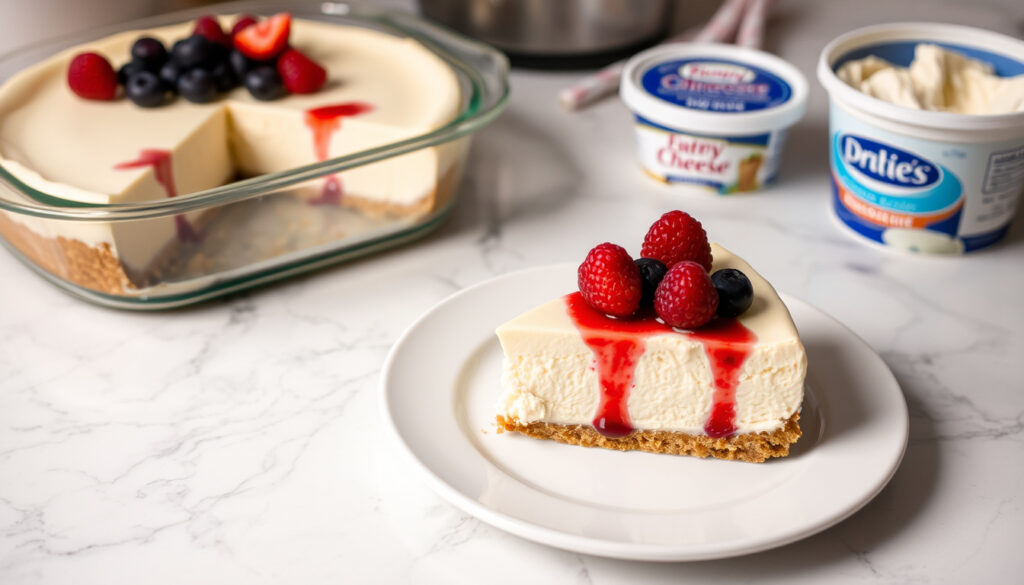
Philadelphia Cheesecake No Bake – Easy Recipe and Chilling Guide
Philadelphia no bake cheesecake offers a straightforward path to a creamy, indulgent dessert without ever turning on the oven. This beloved American classic relies on softened Philadelphia cream cheese blended with sweeteners and whipped topping, then chilled until firm. The result is a velvety filling nestled in a graham cracker crust that has made this dessert a staple at countless family gatherings and potlucks.
The appeal of this recipe extends beyond simplicity. Home cooks appreciate that the entire preparation requires minimal equipment and can be completed in about twenty minutes of active time. The real investment comes from patience during the chilling phase, which allows the flavors to meld and the texture to achieve that signature sliceable consistency. Whether served at a summer barbecue or as a winter holiday treat, this dessert adapts easily to seasonal fruits and flavor variations.
How to Make No Bake Cheesecake with Philadelphia Cream Cheese
Creating a Philadelphia no bake cheesecake begins with gathering five core ingredients: cream cheese, sweetener, vanilla extract, whipped topping, and a prepared crust. The Kraft official recipe, available on the Kraft Heinz website, demonstrates how a simplified approach yields impressive results with just these components.
20 mins
4 hours
8-10
Easy
Essential Ingredients and Quantities
The foundation of any Philadelphia no bake cheesecake starts with the cream cheese itself. Most recipes call for 16 ounces of full-fat Philadelphia cream cheese, typically two 8-ounce blocks, softened to room temperature before mixing. According to guidance from several recipe sites including Desserts on a Dime and Scattered Thoughts of a Crafty Mom, this ensures smooth blending without lumps.
- Use full-fat Philadelphia cream cheese for the best texture and setting ability
- Always soften cream cheese to room temperature before blending
- Graham cracker crust provides essential structure and flavor balance
- Powdered sugar dissolves more easily than granulated sugar
- Fold whipped topping gently to preserve air and volume
- Chill overnight for cleanest slices and firmest results
- Add lemon juice or sour cream for depth and tanginess
| Ingredient | Quantity | Notes |
|---|---|---|
| Philadelphia cream cheese | 16 oz (2 blocks) | Room temperature |
| Powdered sugar | ½-1 cup | Adjust to taste |
| Vanilla extract | 1-1½ tsp | Pure vanilla preferred |
| Cool Whip or whipped cream | 8-12 oz | Thawed if frozen |
| Graham cracker crust | 9-inch | Store-bought or homemade |
| Optional: sour cream | ¼-½ cup | Adds richness |
| Optional: lemon juice | 1 Tbsp | Brightens flavor |
Step-by-Step Preparation
The mixing process requires attention to technique rather than speed. Begin by placing room-temperature cream cheese in a large mixing bowl. Using a hand mixer or stand mixer on low to medium speed, beat the cream cheese until it becomes completely smooth, typically two to three minutes. Add the powdered sugar gradually while continuing to mix, followed by the vanilla extract and any optional add-ins like sour cream or lemon juice.
Once the cream cheese mixture is smooth and lump-free, the next phase involves incorporating the whipped topping. This step demands a gentle hand. According to recipe guidance from Keep Calm and Eat Ice Cream, vigorous stirring deflates the air bubbles that give the cheesecake its light texture. A silicone spatula works well for folding Cool Whip or freshly whipped cream into the cream cheese base using sweeping circular motions until just combined.
For those using heavy cream instead of Cool Whip, chill your mixing bowl and beaters in the freezer for fifteen minutes before whipping. Cold tools help achieve stiff peaks more quickly, which ensures the filling holds its shape when sliced.
How Long to Chill Philadelphia No Bake Cheesecake
Understanding the chilling timeline proves essential for achieving the desired texture. While a minimum of three to four hours allows the cheesecake to set enough for serving, the difference between adequate and exceptional results lies in extended refrigeration time. Multiple sources, including Salty Ginger and Busy Creating Memories, confirm that overnight chilling produces the firmest, cleanest slices.
Minimum vs Optimal Chill Times
The science behind chilling involves the fats in cream cheese firming up as they cool, creating a cohesive structure that holds together when cut. According to the official Kraft Philadelphia recipe, three hours represents the bare minimum, but six to twelve hours yields noticeably better results. For special occasions or when presentation matters, allowing the cheesecake to chill overnight ensures the filling achieves its peak consistency.
Freezing a no bake cheesecake to speed up setting actually ruins the velvety texture. The freeze-thaw process causes the filling to become grainy and lose its smooth mouthfeel. Always use refrigeration for setting, never the freezer.
Common Setting Problems and Solutions
Several factors can prevent proper setting. Lumpy filling typically results from cold cream cheese that hasn’t softened adequately before mixing. The solution involves allowing cream cheese to sit at room temperature for one to two hours, or slicing it into smaller pieces to accelerate softening. Runny texture often indicates insufficient chilling time, overbeaten whipped topping, or ingredients that were too warm during preparation.
A grainy texture points to undissolved sugar or insufficient mixing. Beating the cream cheese thoroughly until the sugar fully incorporates eliminates this issue. Hard crust problems stem from over-pressing the graham cracker base or brief oven baking when a no-bake crust would suffice. Pressing the crust mixture lightly into the pan preserves a tender, crumbly texture.
If your cheesecake remains too soft to slice properly after the recommended chill time, the culprit is usually insufficient refrigeration rather than incorrect proportions. Extend the chill time to eight hours or overnight before attempting to cut.
Storage and Variations for Philadelphia No Bake Cheesecake
Proper storage extends the enjoyment of Philadelphia no bake cheesecake beyond the initial serving. When kept covered in the refrigerator, the dessert maintains optimal quality for three to seven days, depending on the specific recipe and ingredients used. Keep Calm and Eat Ice Cream notes that keeping the cheesecake chilled until serving time preserves its firmness and prevents the filling from softening prematurely.
Freezing Guidelines
For longer-term storage, freezing offers a viable option with some important caveats. The fully set cheesecake can be wrapped tightly in plastic wrap and aluminum foil, then stored in the freezer for up to one to three months. Individual slices freeze well when placed in airtight containers, separated by layers of parchment paper to prevent sticking. Thawing should always occur in the refrigerator overnight to preserve texture.
Salty Ginger advises consuming frozen cheesecake within one month for best quality, as extended freezer time can affect the smooth mouthfeel. Fruit compotes or fresh toppings should never be refrozen, so add these only after thawing the base cheesecake.
Popular Toppings and Add-Ins
The basic Philadelphia no bake cheesecake serves as a versatile canvas for numerous variations. Fresh berries rank among the most popular toppings, with strawberries, raspberries, and blueberries complementing the creamy filling beautifully. A fruit compote can be prepared ahead and refrigerated for up to one week or frozen for one month, providing a quick finishing touch before serving.
Crust alternatives expand the recipe’s flexibility further. While graham cracker crust remains traditional, digestive biscuits create a slightly different flavor profile. Some home cooks prefer a no-bake crust pressed into the pan without any oven time, while others lightly bake the crumb mixture for a crispier base. Pan size also affects the final appearance: a seven-inch pan produces a taller cheesecake, while eight to nine-inch pans yield a flatter but equally delicious result. Exploring different cheesecake variations can inspire creative approaches to this classic dessert.
Lightened Versions
Those seeking a lower-calorie option can follow the approach outlined in the Kraft official recipe, which uses Neufchatel cheese instead of regular cream cheese. This lower-fat alternative still produces a creamy result when combined with sugar-free sweetener and light whipped topping. The trade-off involves slightly less rich flavor and potentially softer texture, but the convenience and reduced calories appeal to many home cooks. Understanding how cream cheese works in desserts helps inform these substitutions.
Making Philadelphia No Bake Cheesecake: Timeline
Understanding the complete process from start to finish helps home cooks plan their dessert preparation effectively. The active time required remains modest, but the passive chilling period demands patience and advance planning.
- Prepare crust (5 minutes): Press graham cracker crumbs into the pan or open a pre-made crust
- Soften cream cheese (1-2 hours): Allow cream cheese to reach room temperature
- Blend filling (10 minutes): Beat cream cheese with sugar and vanilla until smooth
- Fold in topping (5 minutes): Gently combine whipped topping with cream cheese mixture
- Pour and spread (5 minutes): Transfer filling to crust, smooth surface, eliminate air bubbles
- Initial chill (1 hour): Cover and refrigerate to begin setting process
- Final set (6-12 hours): Allow complete chilling for sliceable consistency
- Add toppings and serve: Fresh fruit or compote added just before serving
What Works and What Remains Uncertain
Philadelphia no bake cheesecake benefits from decades of recipe refinement, making many aspects of preparation well-established and reliable.
| Established Information | Areas of Uncertainty |
|---|---|
| Room-temperature cream cheese prevents lumps | Exact calorie counts vary by specific recipe |
| Overnight chilling produces firmest results | How substitutions affect shelf life |
| Gentle folding preserves air in topping | Optimal storage duration for lightened versions |
| Freezing ruins texture; refrigeration required | How high altitudes affect setting time |
The Appeal of No Bake Desserts
The no bake cheesecake category has flourished because it removes barriers that prevent many people from attempting homemade desserts. No oven required means no risk of overbaking, cracking, or dealing with water bath complications. The Philadelphia brand has become synonymous with cream cheese quality, giving home cooks confidence that their results will match expectations when following the straightforward process.
Compared to traditional baked cheesecakes, the no bake version offers a lighter, less dense texture that many prefer for summer entertaining. The five-ingredient simplicity makes it accessible to beginning cooks while the endless variation potential satisfies experienced home bakers looking for creative expression. This balance of ease and versatility explains why Philadelphia no bake cheesecake remains a beloved recipe decades after its introduction.
Official Sources and Brand Guidance
The Kraft Heinz company, owner of the Philadelphia brand, provides detailed recipe instructions on their official website that serve as a reliable baseline for home cooks. Their approach emphasizes simplicity, using readily available ingredients like Cool Whip and Neufchatel cheese to create a lighter version of the classic dessert.
The official Philadelphia No-Bake Cheesecake recipe demonstrates that exceptional desserts don’t require complicated techniques or obscure ingredients. With just five components—graham cracker crumbs, sweetener, margarine, Neufchatel cheese, and Cool Whip—home cooks can achieve impressive results.
— Kraft Heinz Philadelphia Recipe Collection
Independent recipe developers and food bloggers have built upon this foundation, adding personal touches and variations that expand the recipe’s versatility. Sites like Desserts on a Dime, Scattered Thoughts of a Crafty Mom, and Keep Calm and Eat Ice Cream offer tested variations that help home cooks customize the basic recipe to their preferences.
Final Thoughts on Philadelphia No Bake Cheesecake
Philadelphia no bake cheesecake represents the intersection of simplicity and indulgence. The recipe rewards attention to basic techniques—proper cream cheese temperature, gentle folding, and adequate chilling time—while forgiving small variations in sweetness or flavor additions. For those exploring similar easy dessert options, understanding how to work with cream cheese opens doors to countless variations.
Whether prepared for a casual family dinner or a special celebration, this dessert delivers reliable satisfaction with minimal effort. The combination of creamy filling and crunchy crust creates textural contrast that pleases a wide range of palates, while the adaptability to seasonal fruits ensures it never feels repetitive. Those who master the basic technique find themselves returning to it again and again as a dependable crowd-pleaser.
Can you use Philadelphia cream cheese for no bake cheesecake?
Yes, Philadelphia cream cheese serves as the ideal base for no bake cheesecake. Its smooth texture and consistent quality ensure reliable results when softened properly and combined with sweetener and whipped topping.
Can I freeze Philadelphia no bake cheesecake?
Whole cheesecakes can be frozen wrapped in plastic and foil for one to three months, though one month yields better texture. Thaw overnight in the refrigerator before serving, and avoid refreezing fresh toppings.
Do you need gelatin for Philadelphia no bake cheesecake?
No, gelatin is unnecessary. The structure comes from the fat content in cream cheese combined with the air incorporated through whipped topping or whipped cream. Proper chilling allows this mixture to set without any additional binding agents.
How long does no bake cheesecake last in the refrigerator?
Philadelphia no bake cheesecake maintains quality for three to seven days when covered and kept refrigerated. The filling may soften slightly over time, so serving within the first few days provides the best texture.
Why is my no bake cheesecake runny?
Runny texture typically results from insufficient chilling time, overbeaten whipped topping that has lost air, or ingredients that were too warm during mixing. Ensure at least six to twelve hours of refrigeration and fold the topping gently rather than stirring vigorously.
What can I add to Philadelphia no bake cheesecake?
Popular additions include fresh berries, fruit compote, lemon zest, sour cream for richness, or chocolate shavings. The basic filling accepts these variations well when added during the mixing stage or sprinkled on top before serving.
Is Philadelphia no bake cheesecake easy to make?
Yes, the recipe requires only basic equipment—a mixing bowl and hand mixer—and involves straightforward techniques like softening cream cheese, blending ingredients, and folding in whipped topping. The primary skill needed is patience during the chilling phase.
More related posts
 Is Canada Post Still on Strike – Status After Tentative Deals
 ETF vs Mutual Fund – Key Differences, Fees and Taxes
 Rocky Mountain Spotted Fever Canada: Symptoms, Treatment & Facts
 Co tco Bu ine Center Flyer: Regional Saving Guide
 The Rookie Season 6 – Episode List, Cast and Dates
 YouTube to MP4 Converter – Best Free Tools 2025
 Ryan Serhant Net Worth, Wife, Kids, and $45M Deal
 Joueurs de La Liga – Top Stars, Stats and Squads 2024/25
